Curriculum & Learning
A curriculum designed for global success.
MIS School Hinjawadi is a NEP-empowered school with a holistic, structured, child-centric academic pattern. Our curriculum strives for the holistic development of every child, equipping them with the tools to become self-sufficient, self-assured and prepared for the outside world.
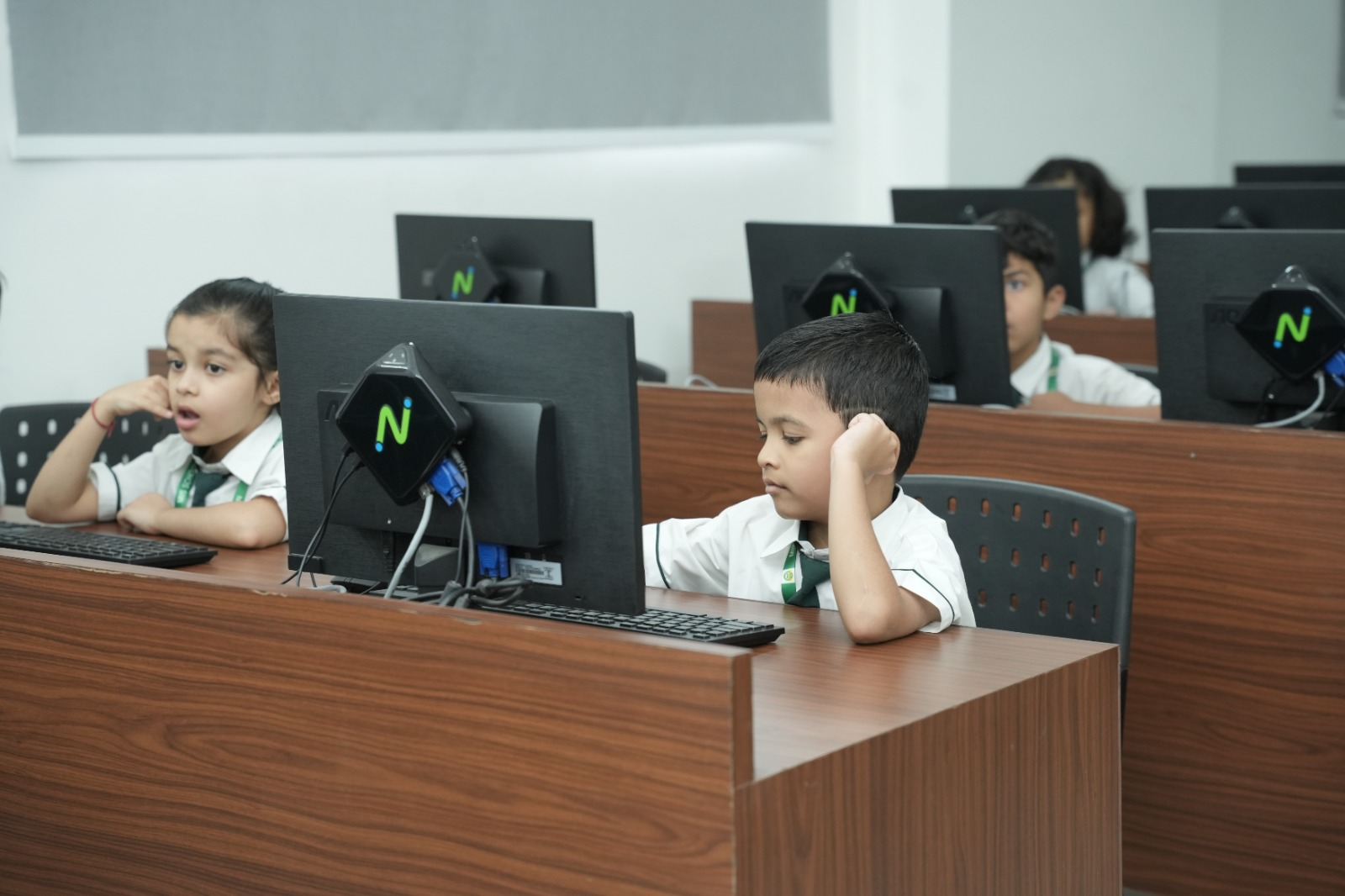
Nursery – Grade II · Age 3–8
Foundation Stage
The years where wonder becomes learning.
Positive Learning Habits
Builds confidence and discipline for future learning.
Foundational Literacy & Numeracy
Strengthens reading, writing and math for lifelong growth.
Cognitive Development
Enhances critical thinking, problem-solving and curiosity.
Cultural Development
Encourages respect for diverse traditions and artistic values.
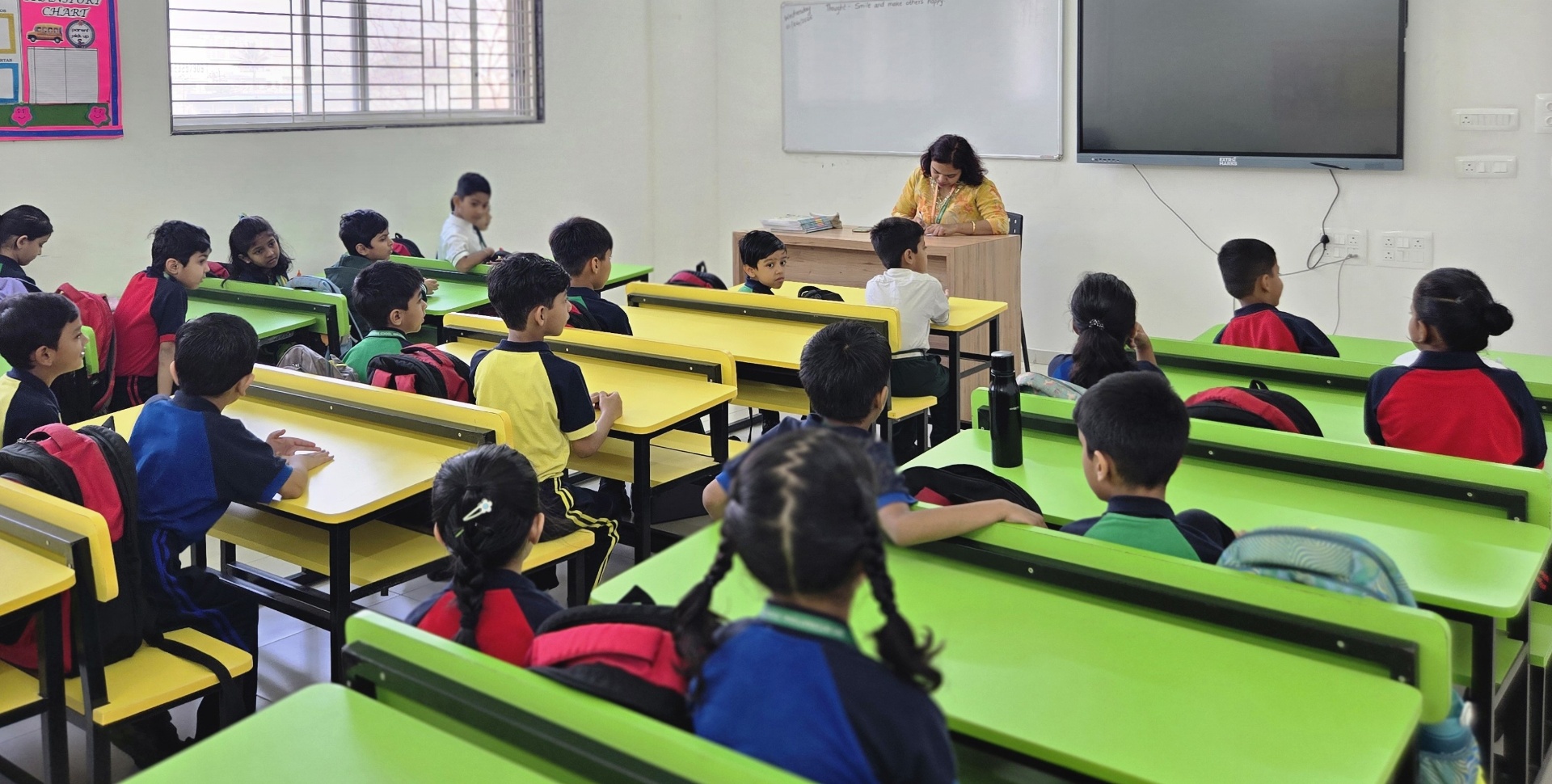
Grade III – V · Age 8–11
Preparatory Stage
Where learners connect classrooms to the real world.
Prevocational Skills
Practical exposure to prepare for academics and careers.
Language Education
Improves communication through multilingual learning.
Activity-Based Pedagogy
Interactive exercises spark curiosity and comprehension.
Application-Based Activities
Connects classroom learning with real-world projects.
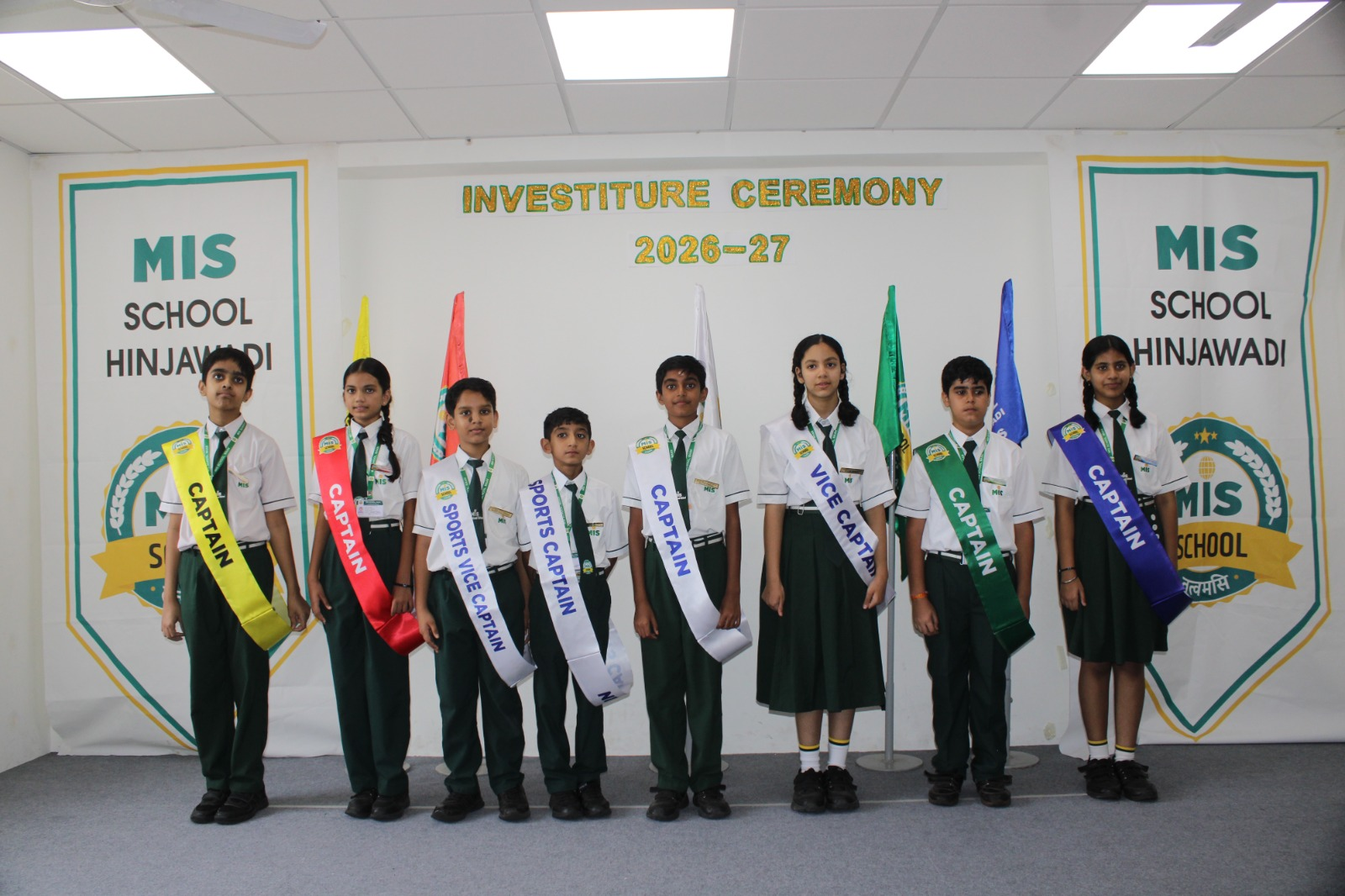
Grade VI – VIII · Age 11–14
Middle School Stage
Where identity, ideas and independence take shape.
Conceptual Framework
Links and explains ideas across multiple subjects.
Nurturing Self-Discovery
Encourages exploration of strengths and passions.
Critical Thinking
Develops analytical skills to solve complex problems.
Interdisciplinary Learning
Integrates skills and knowledge across disciplines.
Learning Stages
Academic Plan
The STEAM Approach
The Theory of Multiple Intelligences.
At MIS Hinjawadi we use the STEAM approach to teach the Theory of Multiple Intelligences as presented by Prof. Howard Gardner, helping every learner absorb knowledge in the way that suits them best.
Conceptual Comprehension
Retaining ideas for longer periods.
Experiential Learning
Applying ideas in practical situations.
Communication Skills
Mastering effective communication.
The Classroom Experience
The Child Undergoes 5 A's
AIM
Direction and purpose, laying out expectations for the class.
ANALYSIS
Pre-assessment activities to tailor instruction to the learner.
ACTION
Discussions, hands-on exercises and collaborative group work.
ASSESSMENT
Quizzes, projects and feedback to measure learning.
APPLICATION
Bridging theory and practice to show real-world relevance.
Sports & Life-Skills
Beyond the syllabus.
At MIS, sports are an integral part of the curriculum. We offer a variety of sports activities to improve health and fitness, nurture individual talents and let students enjoy recreational benefits.
Co-curricular and extra-curricular activities outside the classroom provide real-life experiences, fostering interests and building social and life skills through projects, clubs, debates, art, coding and sports.
The Life Skills Programme encourages universal values like fearlessness, purity of mind, patriotism and concentration. Skills like communication, leadership, teamwork and empathy are developed through active participation. Community service involvement sensitises students towards philanthropy and social responsibility.
Reading Culture
Age-appropriate libraries and reading circles.
Arts & Craft
Studios for painting, pottery and design thinking.
Music & Dance
Vocal, instrumental and movement, every child performs.
Sports & Fitness
Structured PE with football, cricket, athletics, yoga.
STEM Labs
Hands-on science and coding for enquiry-led learning.
Life-Skills Club
Empathy, teamwork and communication built into the week.