Project-Driven Classrooms: Where Knowledge Meets Real-World Application
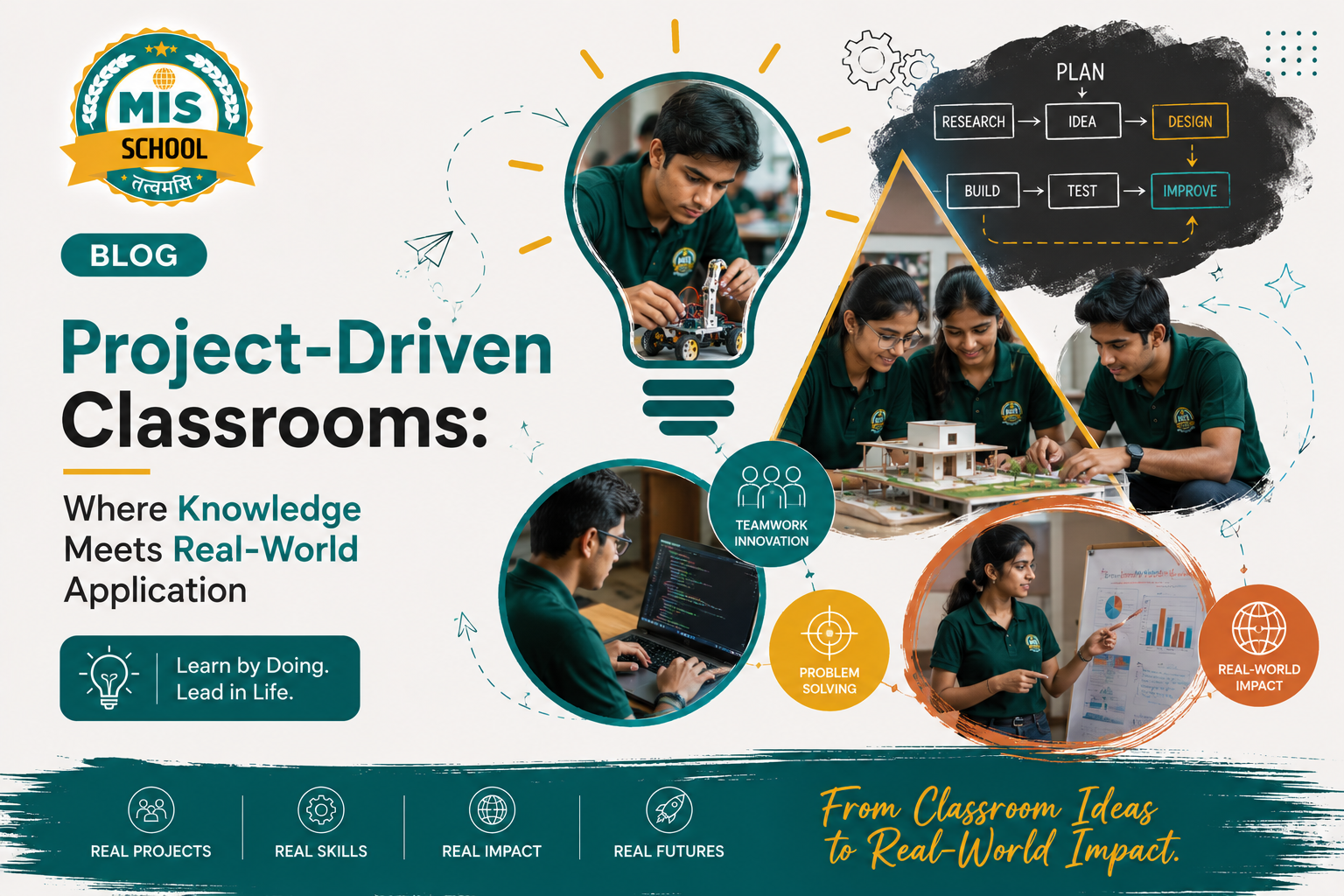
Education today is moving toward teaching methods that encourage students to apply knowledge rather than simply memorize information. One effective approach that supports this goal is project-driven learning. In project-driven classrooms, students work on meaningful assignments that require research, creativity, collaboration, and practical problem-solving.
Project-driven learning allows students to explore topics in depth over a longer period of time. Instead of completing small tasks in isolation, learners work on comprehensive projects that connect different subjects and real-world challenges. This approach helps students see how academic knowledge can be used in practical situations.
One of the key advantages of project-driven classrooms is the development of problem-solving skills. Students are encouraged to identify issues, analyze information, and create solutions. This process strengthens their ability to think critically and approach challenges with confidence.
Another benefit is the development of collaboration and communication skills. Many projects require teamwork, where students share responsibilities, discuss ideas, and work toward a common objective. These interactions help learners understand the importance of cooperation and effective communication.
Schools such as MIS School, Hinjawadi Pune emphasize innovative learning methods that encourage students to connect theoretical knowledge with practical experiences. Through project-based activities and experiential learning opportunities, students develop deeper understanding of academic subjects.
Project-driven classrooms also support creativity and innovation. When students work on projects, they are often encouraged to design models, conduct experiments, or create presentations that demonstrate their ideas.
Another important aspect of project-driven learning is improved motivation. Students often feel more engaged when they work on projects related to real-life challenges. Additionally, managing long-term assignments builds time management and organizational skills, valuable throughout life.